Assessments for learning, behaviour, and development to support their growth.
ADHD Assessments for Children & Teens in Toronto
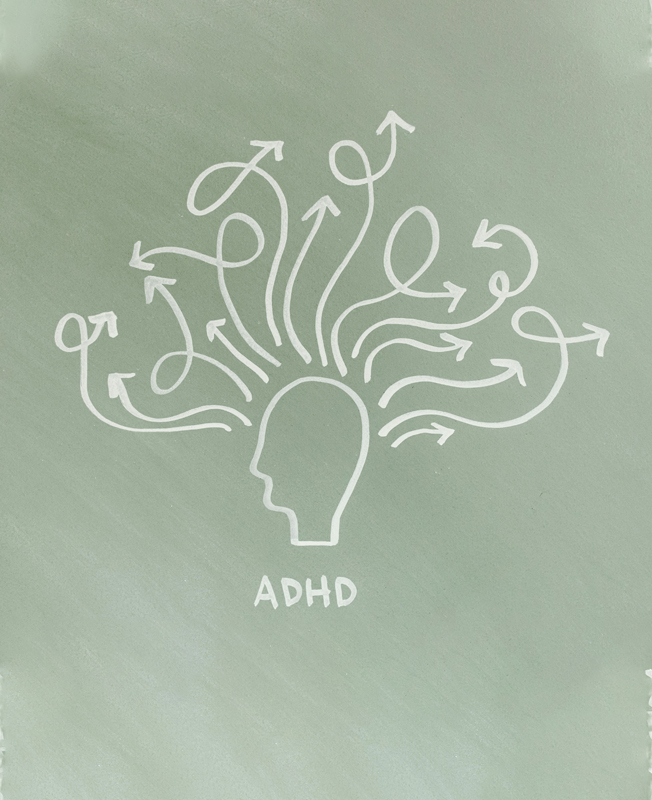
Does your child often have trouble sitting still, staying focused, or controlling impulses? These behaviours can sometimes be signs of Attention-Deficit/Hyperactivity Disorder (ADHD), especially if they appear frequently and disrupt daily life. Discovering whether ADHD is affecting your child’s development can be an important step toward providing the support they need to thrive.
What Are the Signs of ADHD?
Symptoms of ADHD may vary, but they usually fall into two categories, including the following:
Inattention: Children may have trouble sustaining attention, following directions, or finishing tasks. They might frequently lose things, make careless mistakes, or be easily sidetracked.
Hyperactivity and Impulsivity: Symptoms include fidgeting constantly, talking much, having problems waiting for their turn, or acting without thinking.
While these behaviours are common in young children, ADHD is diagnosed when symptoms are more intense and consistent over time, affecting school performance, friendships, and family dynamics.
What is ADHD?
ADHD is a neurodevelopmental condition that usually begins in childhood and, for many people, continues into adolescence and adulthood. It impacts the brain’s executive functions, which are responsible for focus, self-control, and organization. While all children experience moments of distraction and hyperactivity, ADHD behaviours are considerably more intense and persistent and affect various aspects of a child’s life. The earlier the identification, the better the possibility of taking steps that can help the parents, educators, and healthcare professionals develop strategies to enhance a child’s quality of life.
How ADHD Assessments Are Conducted at CITC
Our ADHD assessment process is designed to provide a comprehensive and accurate understanding of your child’s specific challenges. Here’s what to expect:
Comprehensive Assessments: Our assessments use evidence-based tools to measure attention span, impulsivity, executive functioning, and social behaviours. These tests are designed to differentiate ADHD from other potential challenges, so the findings and recommendations reflect your child rather than a general picture.
Clinical Interview: The interview allows us to discuss in detail the symptoms, developmental history, family background, and environmental factors that may be influencing your child’s behaviour. Parents, teachers, and other caregivers may also be contacted to provide a holistic view of your child’s experiences.
Who Conducts It: Formal diagnosis sits with a Clinical Psychologist. Supervised clinicians who take part in an assessment do so under a Clinical Psychologist’s supervision.
Detailed Report and Recommendations: After the assessment, we provide a detailed report outlining the findings, including any ADHD diagnosis and recommendations for treatment or support strategies that may be helpful. This report is intended to help you make informed decisions about your child’s education, behaviour management, and overall well-being. An assessment answers the referral question and does not guarantee a diagnosis. CITC does not provide medication management, so any discussion of medication happens with your child’s physician or paediatrician.
Benefits of Early Diagnosis
Early ADHD diagnosis has several key benefits for children and their families:
Tailored Support: Once ADHD is diagnosed, resources and therapies can be provided to the families according to their child’s needs, including behavioural management and educational support.
Improved School Performance: With proper support, children can develop better focus and organizational skills, which may help at school.
Enhanced Social Skills: Early intervention can help children make friends and develop social skills they need to build positive relationships.
Supported Families: Parents gain insights and strategies that help them support their child’s growth with more confidence.
Ready to Learn More? Contact Us Today
If you believe an ADHD assessment may be the right choice for your child, start with a brief complimentary call with CITC’s Clinical Coordinator, who can talk through what you are noticing and match your child with an assessing clinician.
What’s the difference between ADHD and “just being energetic or distracted”?
ADHD symptoms are more persistent, consistent across different settings (home, school, social), and cause significant impact on learning, relationships, or self-esteem. A comprehensive evaluation helps clarify whether your child’s struggles meet clinical criteria.
What happens after an ADHD assessment?
You’ll receive a feedback session and a comprehensive written report outlining results, diagnosis (if applicable), and personalized recommendations. These may include strategies for home and school, academic accommodations, and treatment options such as CBT or parent coaching.
We Are Here to Help!
Schedule a call with one of our health care coordinators to answer your questions and help you find the best solutions for you and your loved ones